

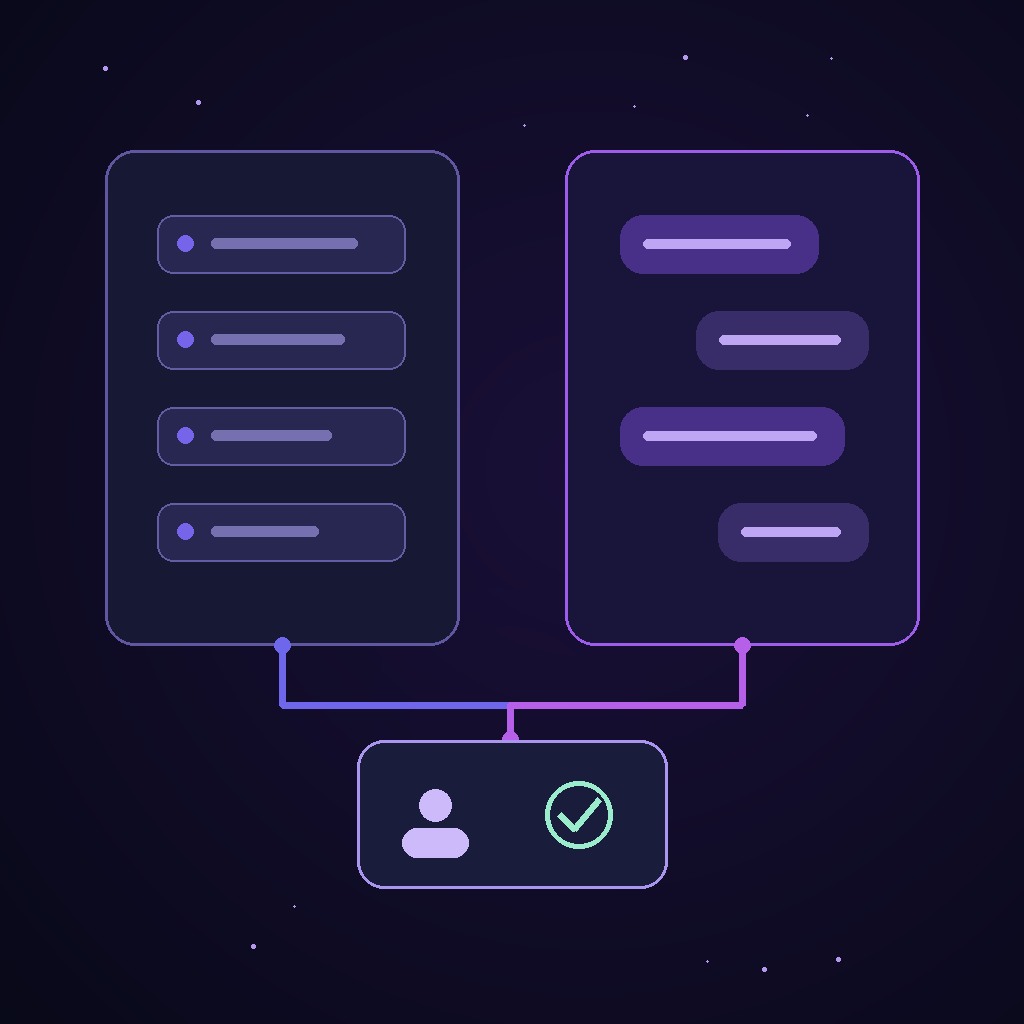
A button-based bot works when requests are predictable and customers can choose from a menu. An AI receptionist is useful when people ask in their own words, change course mid-conversation and expect a coherent reply. Neither option should confirm a booking or promise a price unless the business has authorised it
Start with the conversations, not the model
Take representative enquiries with personal details removed. Separate questions about location, available services, appointment slots and whether a particular treatment is appropriate. The first ones may have fixed answers. The last one should not become a bot's medical judgement. A conversation is not automatically a lead: distinguish a request from an appointment confirmed by a person
When a button flow is enough
If the choices are limited, the rules are stable and the answer is always the same, a menu is easier to test and maintain. Buttons can provide an address, opening hours, a price-list link or a callback request. You still need a fallback for free-form input: tell the customer when the bot cannot understand and offer a person. Anthropic recommends starting with the simplest workable solution rather than adding agent logic by default
When a conversational receptionist earns its place
A customer might ask about a treatment, switch to available dates and then return to pricing. A conversational assistant can clarify missing details, consult only authorised information and prepare a request for a person. Understanding a message is not permission to act: prices need a current source, slots need a booking system and unusual questions need a human
In the clinic Sales Bot project, the bot handles Instagram Direct conversations and sends a card to the doctor; the appointment is created only after the doctor confirms it. This describes how that process is designed, not a promise of the same conversion for another business. For WhatsApp or Telegram, verify the available official integration and platform rules separately
Human handoff is part of the design
Decide in advance what happens when a customer asks for a person, the bot has no reliable answer, a price is unverified or professional judgement is required. Handoff is more than a notification: a team member must see the context and be able to reply, while the automation stops talking over them. Meta's Instagram Messaging documentation describes human escalation and checking that the agent can actually take over the conversation
A practical way to choose
- Define one outcome: an answered question, a prepared request and a confirmed booking are different stages
- Keep questions with unambiguous answers in the menu; route sensitive or open-ended cases to a person
- If a dialogue is needed, define the sources for prices and slots, booking permissions and stop conditions
- Test anonymised examples: a routine request, changed requirements, an unclear question and a request for a person
- After launch, count delivered enquiries and confirmed bookings separately, excluding tests
If customers book through messages and a menu no longer covers their questions, the AI receptionist service explains the scope and decision boundaries. Decide who confirms an appointment and handles exceptions before choosing the model