


How do you build an AI agent for a business? Pick one task with a result you can actually check, then decide what the agent must NOT be allowed to do. The model choice can wait
Picture an incoming enquiry: someone writes in their own words, the agent asks for missing details and prepares a record for a team member. Useful already. Now let it quote a price, change the CRM status and make a promise to the customer. Same agent. Very different cost of getting it wrong
Define the job before calling it an agent
Write down what comes in and what should come out. Not "helps with sales", but "extracts a request from an email, looks up the relevant information and drafts a reply". Drafting is an outcome. Sending it is a separate permission
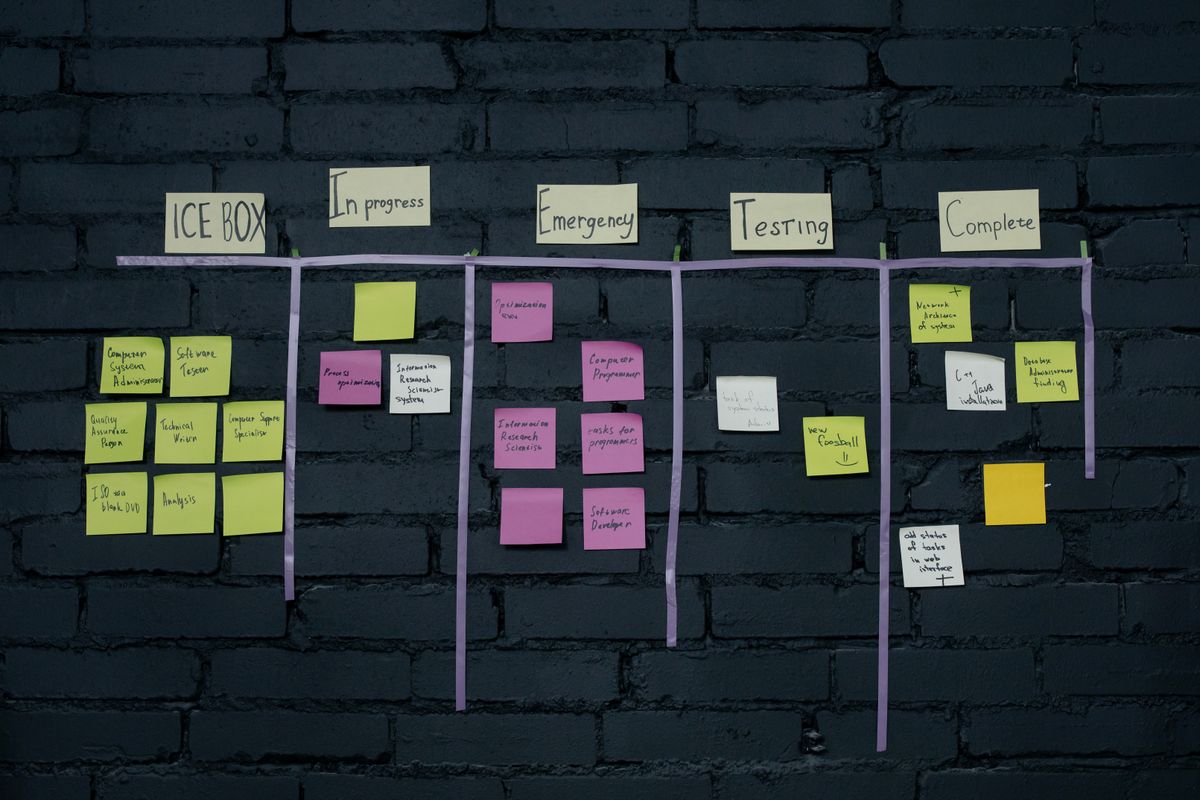
If the steps never change, a simple workflow may be enough. Anthropic distinguishes predefined workflows from agents that choose their own tools. Complexity alone does nothing for the business
Inside, an agent has five parts: the AI model, rules, knowledge, tools and memory. The model is chosen for the task: sometimes speed matters most, sometimes accuracy or price. Access rights live in the rules and the tools: what the agent does on its own, what only with approval and which services it is connected to
Give it only the access the task needs
Email: read the relevant folder. Calendar: check open slots. Knowledge base: look up the current instructions. CRM: prepare a record, but don't change an important status without approval. No need to hand over every key to the business just to process one enquiry))
Keep passwords, payment details and private conversations out of customer replies and activity logs. Write down when the system must stop: no reliable source means ask a person; an unverified price means don't promise it; a failed tool call means report a failure, not "done"

Check the work, not the confident wording
Before sending anything externally, test a routine enquiry, an incomplete one, a repeat request and conflicting information. Did the agent use the right source, avoid filling in missing facts and stop before an action it isn't authorised to take? A polished reply with the wrong record is still an error, just better dressed
Turn every mistake from a test run into a rule so the agent doesn't repeat it. That way the set of test enquiries grows with the agent, and you can run it again before every change: a new fix shouldn't break what already worked
How my own agent is set up
I built my personal AI agent, Jes, by the same rules. She understands text and voice notes, remembers earlier conversations, runs 10 scheduled jobs on her own and hands tasks to 7 other bots. But deleting data, spending money, messaging clients and publishing always wait for my yes: an approval request comes to me in Telegram, and the action goes ahead only after I press the button
This boundary doesn't slow the work down. Jes has been live for 134 days, she has handed 165 tasks to other bots since July, and every risky step still goes through me. If the main AI model fails, the backup continues on its own, and after my corrections the agent writes new rules for itself so it doesn't repeat the mistake
How long it takes to build
An agent with rules like these takes one to two weeks to build: setup, memory, approval rules, schedule and testing on your data. The main work here isn't code but agreeing on the boundaries: which actions the agent takes on its own, which only after approval, and where it stops and calls a person. It is worth writing this down before the first line of code, like a job description for a new employee
If you need a system fitted to your workflow, see custom AI agent development and a personal AI assistant example. But the first real step is still the same: define a testable task and the point where a person takes over