


An AI consultation starts like any other consultation. First I find out what problem we're working on. Then I ask what you've already tried and what you want the process to look like when it works
What to bring to an AI consultation
You can come in saying "I want to use AI," but bring one real example: a customer inquiry that sat unanswered or a document someone had to put together by hand. Take the last time it happened and trace it from start to finish. Who gets the inquiry? Where do they get the information they need? Who gets the result? The customer may notice a delay at one point even though the work got stuck earlier
Go back over what you tried. If the team turned off an automated reply system, find out why. Did it give wrong answers, work without access to current stock, or repeat something a manager already did in a minute? In the first case, look at where the answers come from. In the second, check whether the stock data is available. In the third, pick a different task

What should stay with people
I help people use AI in their businesses without moving the whole business over at once. That kind of switch can unsettle the team and lead to layoffs. If it goes wrong, the whole process is at risk. AI can help you handle more work if you start with an automation you can put to use now
The content factory had a specific job: get from an idea to a post ready for review faster. It takes about 5 minutes to prepare a preview, and the development time was about 1 week. The system finds topics and prepares the copy and image. A person still picks the topic and decides whether the post goes out
Before paying for development, describe what a good result looks like for that same example. Should the customer get a confirmation right away, or should the manager see a draft reply? Who steps in when the system doesn't understand the inquiry? For the first test, run past inquiries through it without sending anything to customers. Compare its answers with what the team sent. You'll see where the automation saves time and where it adds work
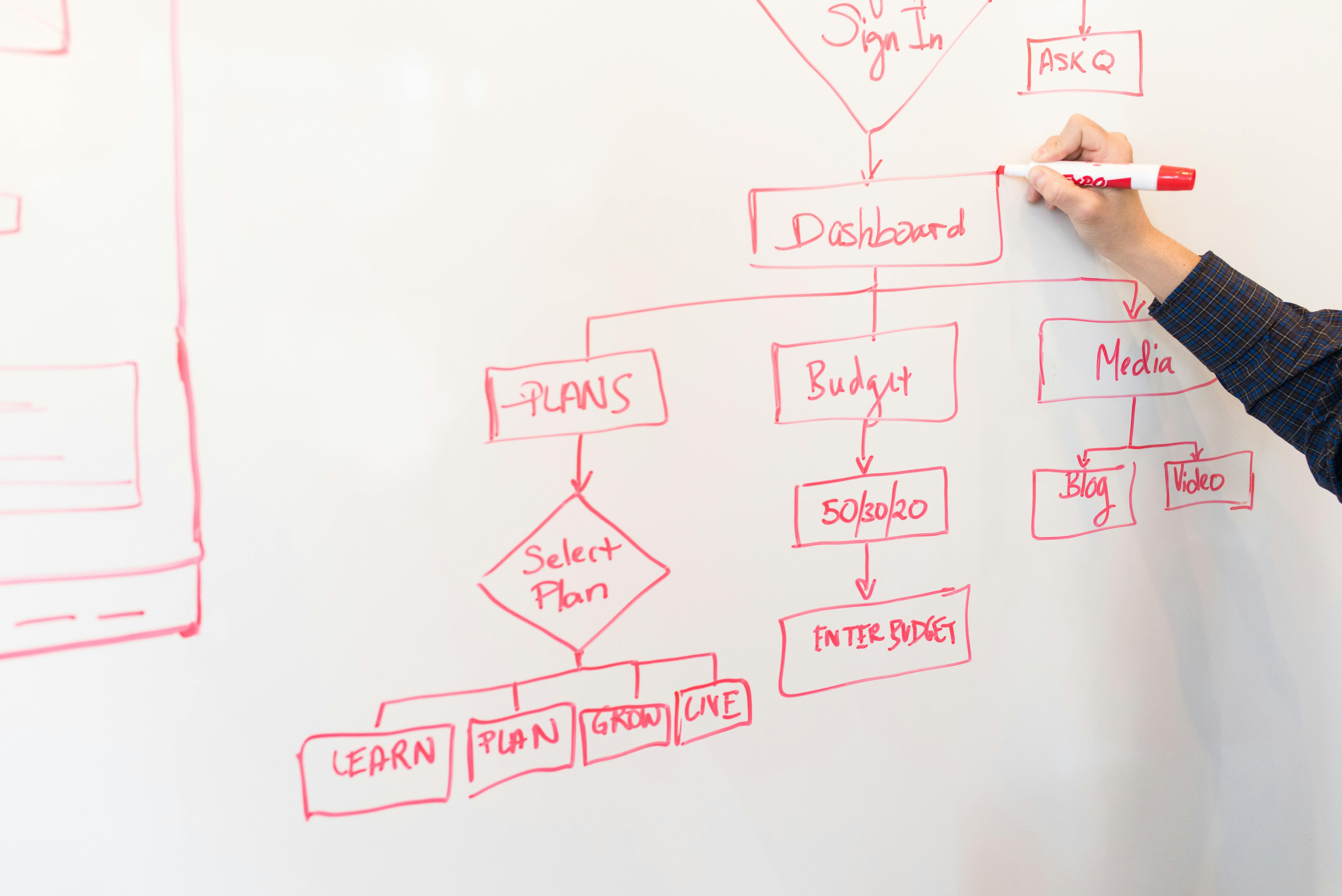
That conversation can give you a concrete first task for AI consulting: draft a reply using information you already have and show it to a manager. You can test that step separately.
What you need before estimating the work
To work out how much development is involved, show what people use when they answer inquiries. If prices really do come from one spreadsheet, make a copy and see which questions it can answer. If the manager gets some terms from colleagues in chat, bring a couple of anonymized examples. They help separate rules you can write down from cases where an employee needs to make a judgment
Agree on what counts as an error. Say a buyer asks for a discount. Inventing a price and passing the request to a manager are two different results, even though neither closes the inquiry automatically. The first might commit you to a deal you never offered. The second leaves the decision with a person, but they can see the conversation and the customer doesn't have to explain everything again
You also need something to compare the trial with. If you're worried about speed, check how long the customer waits now and how much time the manager spends writing a reply. They're two different numbers. A draft can take less time to write and still sit there until morning if nobody is around to review it. The consultation may end with a straightforward decision: work out who's responsible for incoming inquiries first, then see how much time AI can save them
Use the same meeting to decide what you're leaving out of the first version. If you're testing draft replies, leave payments, order changes, and bulk emails out of it. You can run that test with a few past conversations and the rules the manager uses today. There's no need to give the tool access to the whole CRM just to see whether it can draft a useful reply
Grill Me: an interview before you build
Before I start a new task, I use skills that help me get to the point by asking questions. One of my favorites is Grill Me. Follow the author's setup instructions, describe the task in your own words, and ask the agent to interview you. For example: "I want to answer inquiries faster. They come in through two chats, and the manager looks up prices in a spreadsheet." If nobody owns that spreadsheet and the prices keep drifting out of sync, agree on where the right prices come from before letting AI answer from whichever sheet it finds